
When it comes to adding character, texture, and curb appeal to a home, stone is hard to beat. But not all stone is created equal.
If you're planning a new home, updating an exterior, or designing a fireplace, you've probably come across two popular options: natural stone veneer and manufactured stone veneer.
They may look similar at first glance, but there are some pretty significant differences. Let's break them down.
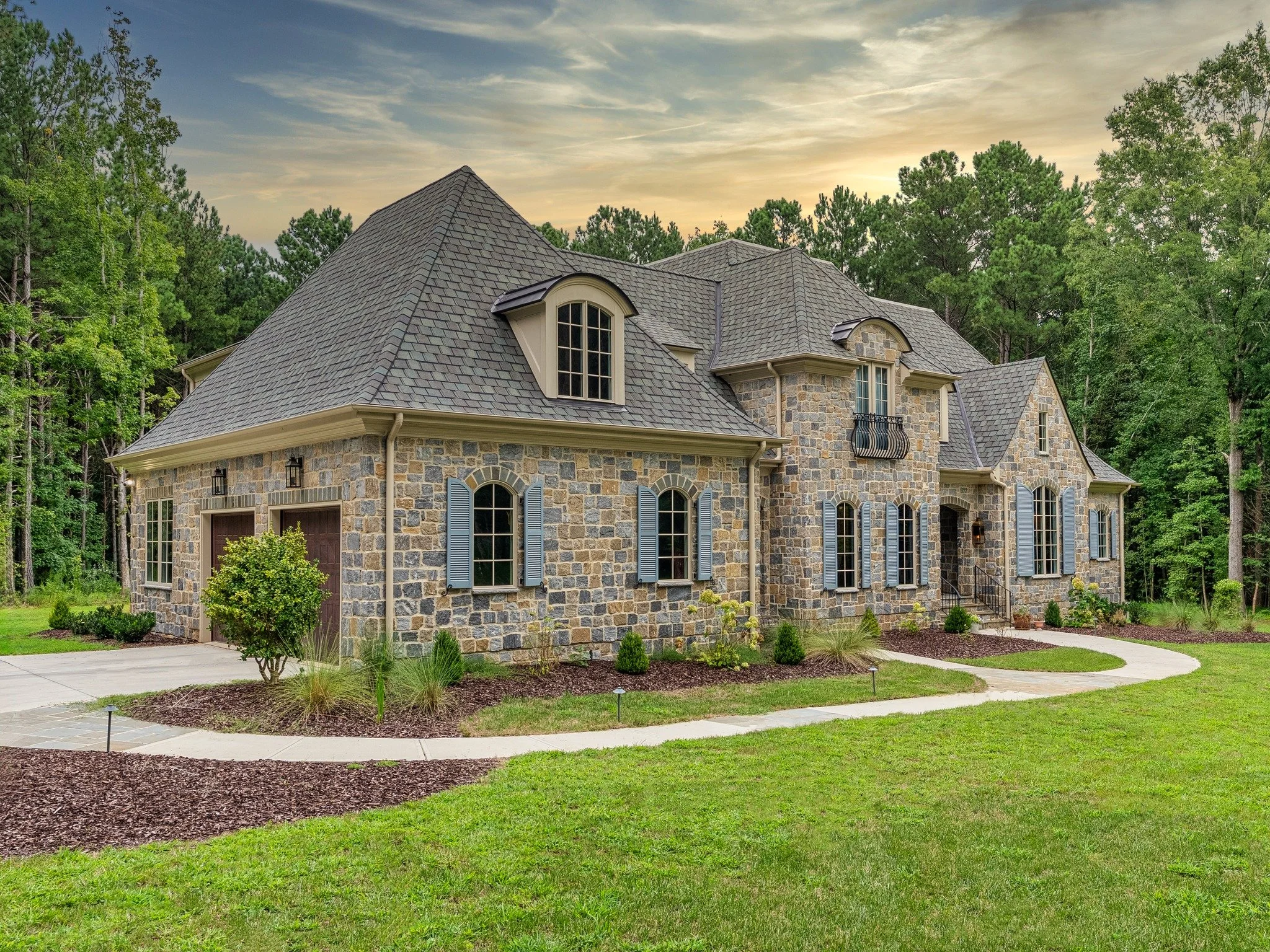
What's the Difference Between Natural and Manufactured Stone Veneer?
Natural stone veneer is exactly what it sounds like. Real stone, quarried from the earth and cut into thinner pieces for architectural applications. Every piece has its own natural variations in color, texture, and character. No two are exactly alike.
Manufactured stone veneer, sometimes called cultured stone or faux stone, is typically made from a mixture of cement, aggregates, and pigments that is poured into molds designed to replicate the appearance of natural stone.
Both materials can create beautiful results, but they're fundamentally different products.
The Beauty of the Real Thing
Here's where natural stone really shines.
Because it's formed by nature, genuine stone has depth, texture, and color variations that are difficult to replicate. Each piece contributes something unique, creating an authentic look that works with everything from rustic architecture to sleek, contemporary designs.
Manufactured stone has come a long way in terms of appearance, but its colors and textures are created through a manufacturing process. Depending on the product, repeating shapes and patterns may be noticeable, particularly across larger installations.
With natural stone, the variation isn't a design effect. It's the real deal.
What About Durability?
Natural stone has been used in architecture for centuries, and for good reason. When properly selected and installed, it's an exceptionally durable material that can stand up to the elements for decades.
Because natural stone's color and texture are inherent to the material, surface wear generally doesn't expose a differently colored manufactured core.
Manufactured stone can also provide long-lasting performance when properly installed and maintained. However, its appearance and durability depend on the specific product, including the quality of its pigments, coatings, and manufacturing process.
For either option, proper installation, moisture management, and selecting a product suitable for the application are essential.
Is Natural Stone Veneer More Expensive Than Manufactured Stone?
Often, yes. Natural stone veneer may have a higher initial material cost than manufactured stone, although pricing varies considerably depending on the stone, style, location, and supplier.
But the material price is only part of the equation.
When comparing the total cost of a stone veneer project, it's important to consider:
Material costs: Stone type, profile, availability, and shipping can all affect pricing.
Installation labor: Preparation, cutting, fitting, and installation methods influence the overall cost.
Project complexity: Corners, openings, intricate patterns, and architectural details can require additional labor.
Long-term considerations: Durability, maintenance, and the desired appearance over time all contribute to overall value.
And here's something worth knowing: not all natural stone veneer is prepared the same way.
At Pangaea® Natural Stone, our Installation Ready™ approach includes carefully preparing and packaging our stone with installers in mind. Our Cut, Tool, Trim & Fit™ process helps reduce unnecessary preparation at the jobsite, making installation more efficient.
That means the difference in material price doesn't necessarily tell the whole story when comparing project costs.
Does Natural Stone Veneer Work With Modern Architecture?
Absolutely. In fact, natural stone is an excellent complement to contemporary design.
Clean lines, large windows, metal accents, and modern siding materials can all benefit from the organic texture and warmth of real stone.
Whether you're creating a dramatic exterior accent wall, a contemporary fireplace, or a full stone façade, natural stone veneer offers a wide range of colors, profiles, and textures to suit the design.
And because thin natural stone veneer provides the appearance of traditional full-bed stone with less weight and thickness, it can be a practical choice for many residential and commercial applications.
So, Is Real Natural Stone Worth It?
If authenticity, natural variation, and lasting beauty are important to your project, genuine natural stone veneer is well worth considering.
Manufactured stone has its place, particularly for projects where initial material cost is the primary consideration. But for those who want the character and permanence of the real thing, there's simply no substitute for stone created by nature.
At Pangaea® Natural Stone, we take that natural beauty a step further with innovative preparation techniques, skilled craftsmanship, and a commitment to quality.
Real quality. Real innovation. Real stone.
Because when it comes to stone, we believe the real thing speaks for itself.
Ready to Explore the Real Thing?
Discover Pangaea® Natural Stone's collection of natural stone veneer colors and profiles, explore completed projects for inspiration, and connect with an authorized dealer to find the right stone for your next project.